







Rack-mounted lithium battery:Future choices for green energy
2026-3-12
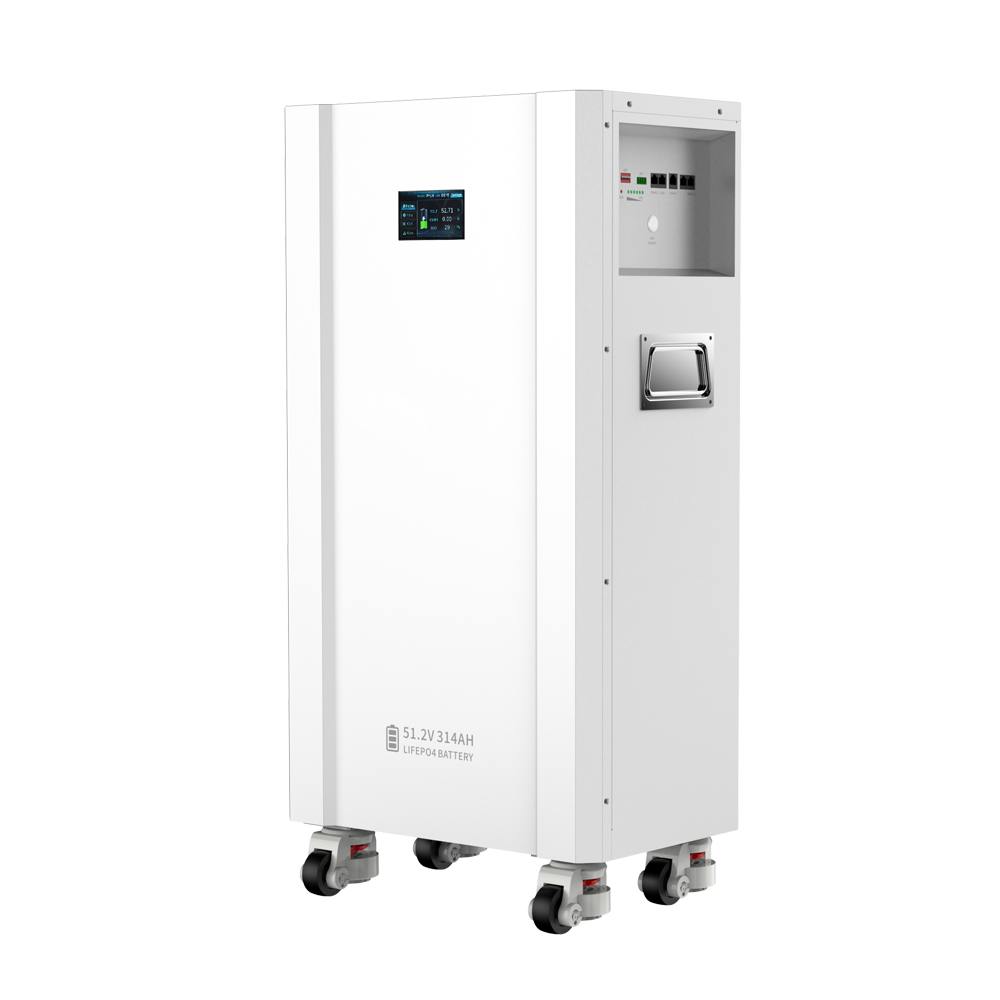
Rack-mounted lithium battery(The mainstream is lithium iron phosphate, LiFePO₄) which aligns with the green energy transition. The core lies in its low-carbon life cycle, absence of toxic substances, high cycle efficiency, and closed-loop recycling. It is suitable for scenarios such as data centers, communication base stations, and photovoltaic energy storage, and is a key energy storage solution towards achieving zero carbon.
一、Core environmental protection advantages
1、Non-toxic and low pollution
It does not contain heavy metals such as lead and mercury, and there is no leakage of acid or emission of exhaust gas, thus avoiding soil/water pollution. After disposal, there is no pressure on hazardous waste disposal. Compared to lead-acid batteries, its carbon emissions over the entire life cycle can be reduced by about 70%.
2、
Extraordinary longevity and low replacement rate
With a cycle life of 6000–8000+ cycles and a service life of 10–15 years, it is approximately 5 times longer than lead-acid batteries. Lower replacement frequency reduces resource consumption and electronic waste, and the carbon footprint of data center batteries can be reduced by 10–15%.
3、
High energy density and spatial efficiency
With an energy density of 160–250 Wh/kg, it is 3–4 times that of lead-acid batteries. The standard 19-inch rack modular design reduces floor space by 30–50%, lowering infrastructure energy consumption and material input.
4、Closed-loop recycling and circular economy
Lithium iron phosphate materials are over 95% recyclable. Standardized cells and modular structures simplify disassembly. Technologies such as AI sorting and hydrometallurgy can recover lithium, iron, phosphorus, etc., achieving a regeneration purity of 98–99%. The industry is advancing a closed-loop system to reduce primary mineral extraction and emissions.
二、Technology and scenarios empower green transformation
1、Adapt to the consumption of renewable energy
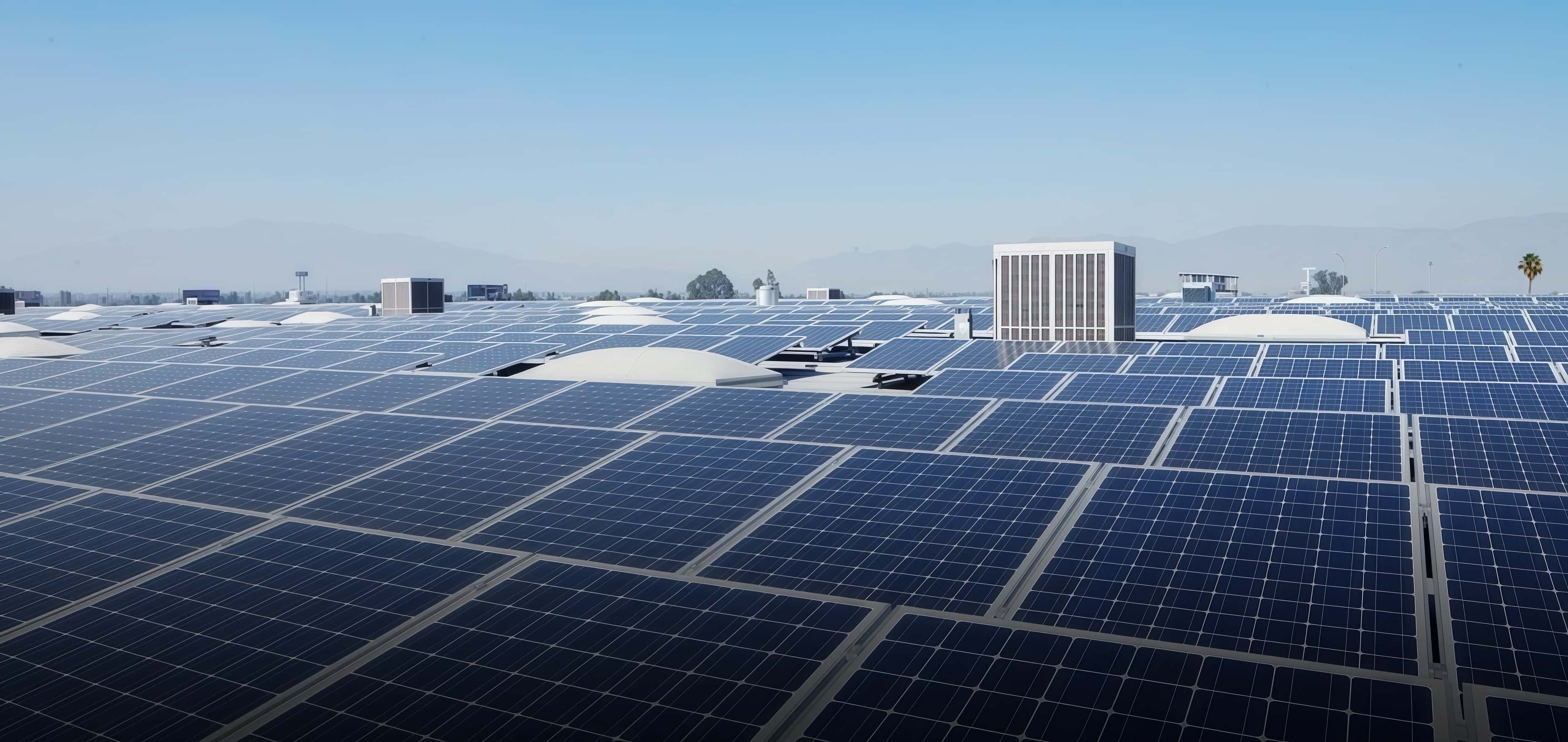
Efficiently matching with photovoltaic and wind power, it supports peak shaving and valley filling, smooths output, and enhances the utilization rate of green electricity. The rack-mounted modular expansion is suitable for both distributed and grid-level energy storage, facilitating the flexible transformation of the power grid.
2、Intelligent operation and maintenance for carbon reduction
Equipped with built-in BMS active balancing and AI health diagnosis, it achieves remote monitoring and fault warning, enhancing operation and maintenance efficiency by over 50% and reducing labor and energy consumption. Thermal management technologies such as liquid cooling further reduce auxiliary energy consumption.
3、Low-carbon implementation in key scenarios
Data center: Replace traditional UPS, enhance power supply reliability, and reduce battery carbon footprint and maintenance costs;
Communication base station: "transitioning from lead to lithium" has become a trend, adapting to the dense deployment of 5G, reducing land occupation and pollution;
Industry and commerce: Photovoltaic (PV) + energy storage synergy, reducing peak-hour electricity purchasing and carbon emissions, in line with ESG requirements.
三、Why is green energy the future
1、Dual-driven by environmental policy and market
The dual carbon goals and battery recycling regulations (such as the EU Battery Directive) are driving the substitution of lithium-ion batteries; operators and technology giants are accelerating their layouts, and the shift from lead to lithium has become an industry consensus.
2 、Low-carbon closed loop throughout the entire life cycle
From non-toxic materials, efficient production, long-life usage to high recovery rate recycling, a sustainable closed loop is formed, which is in line with circular economy and zero carbon goals.
3、Technological maturity and cost optimization
Lithium iron phosphate has been fully verified for its safety and stability, and cost reduction through large-scale production has made its Total Cost of Ownership (TCO) lower than that of lead-acid batteries. Standardization and automated production further enhance environmental protection and economic efficiency.
四、Intelligent Implementation Suggestions
1、The lithium iron phosphate rack-mounted solution is preferred, matching the scene capacity and expansion requirements;
2、Connect with a compliant recycling system and establish carbon footprint tracking throughout the entire lifecycle;
3、Combining photovoltaics and intelligent operation and maintenance, we create an integrated solution of "green power + energy storage + intelligent management"。
Conclusion
Rack-mounted lithium batteries, known for their non-toxicity, long lifespan, high recyclability, and adaptability, have emerged as the core energy storage medium in the transition to green energy. Their low-carbon closed-loop capabilities throughout the entire lifecycle, coupled with their ability to be implemented in various scenarios, are propelling industries such as data centers, communication, and photovoltaics towards zero-carbon goals. They are the inevitable choice for future green energy.
TAG: Rack-mounted lithium battery | Rack-mounted lithium battery for energy storage | Rack-mounted battery | Rack lithium battery | Rack battery |
-

How does a rack-mounted battery work? Quickly understand its working principle!
2026-3-13 -
By knowing these, you can better use floor-standing lithium batteries!
2026-3-13 -
Understand the working principle of wall-mounted lithium-ion batteries for energy storage.
2026-3-13 -
What role does grid-connected technology of energy storage inverters play in reducing power transmission losses?
2026-3-13 -
How can a single-phase energy storage inverter enhance the efficiency of a household energy storage system?
2026-3-13 -
How can the efficiency of energy storage batteries be improved?
2026-3-13