








Photovoltaic grid-connected energy storage inverter: a comprehensive energy-saving method for both households and industries
2026-3-12
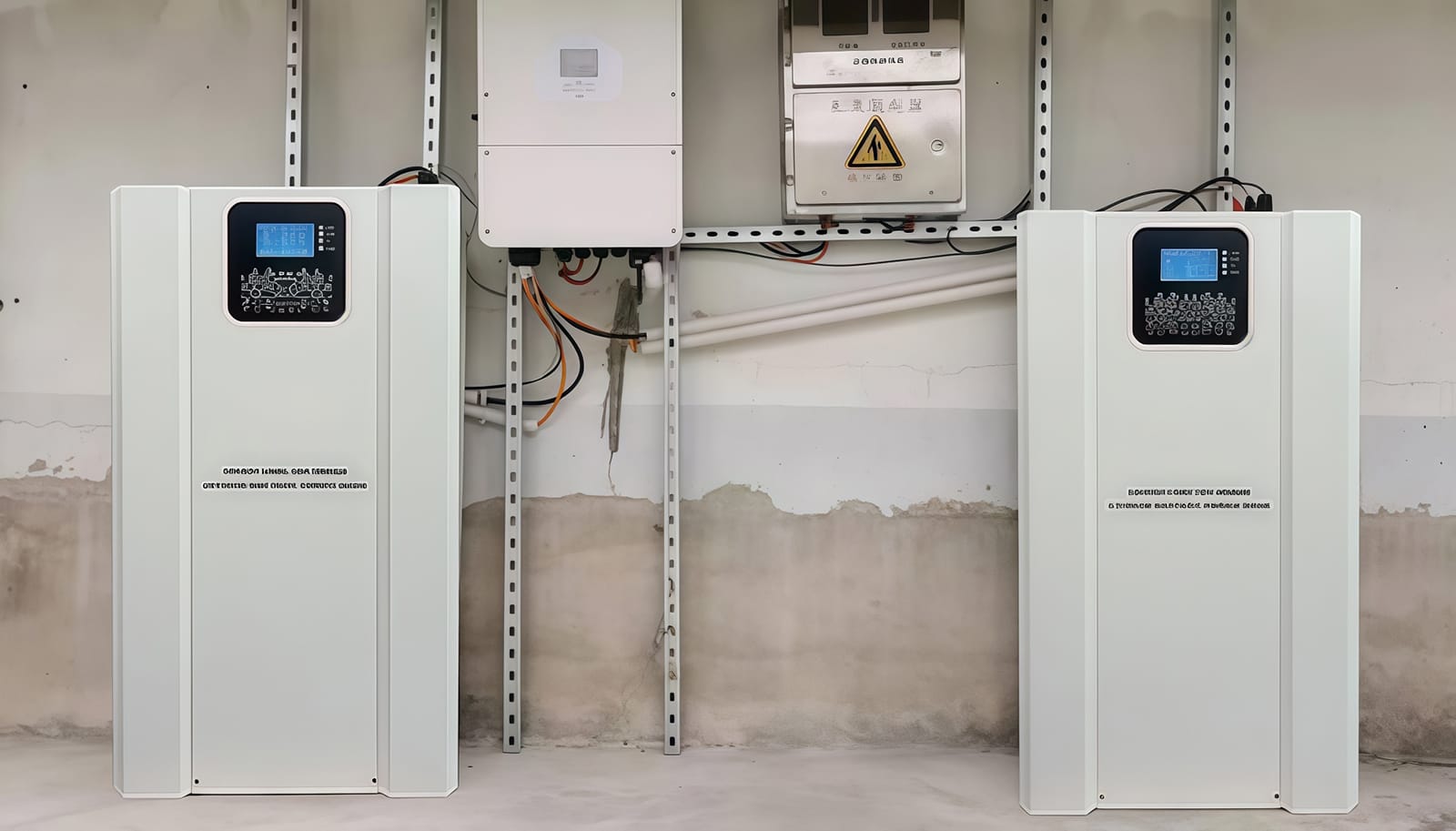
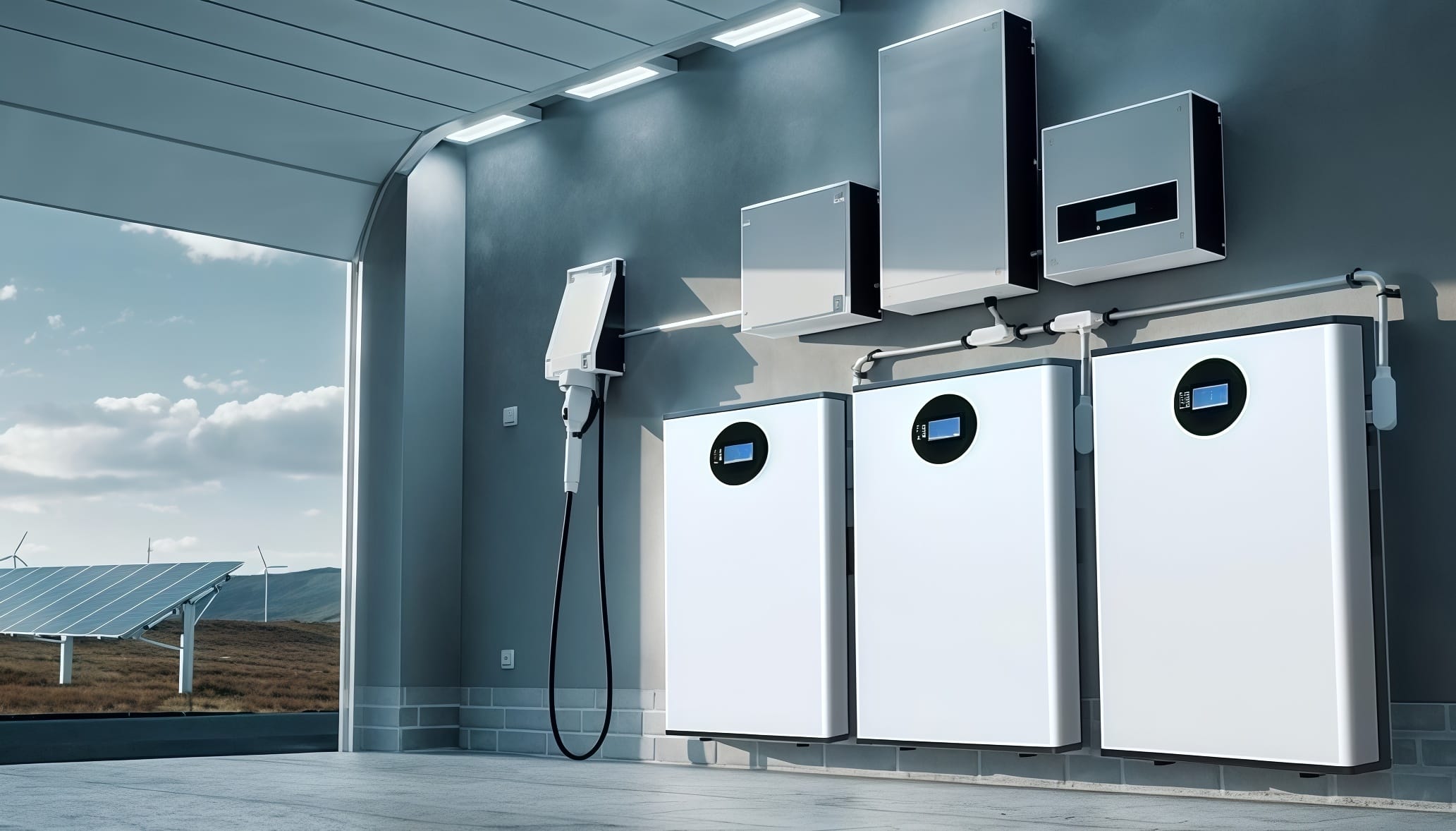
Photovoltaic grid-connected energy storage inverters (bidirectional PCS) achieve energy conservation and cost reduction in both household and industrial scenarios through three core capabilities: self-generation and self-consumption, peak shaving and valley filling, and grid-off and grid-on switching. The key lies in the collaborative optimization of system configuration, operation strategy, and equipment selection.
一、Energy-saving solution for household scenarios
1、System configuration (compatible with mainstream housing layouts)
Photovoltaic: 3–10kW string-type, facing south with no obstruction, capacity-to-power ratio of 1.1–1.2:1, with priority given to high-efficiency modules.
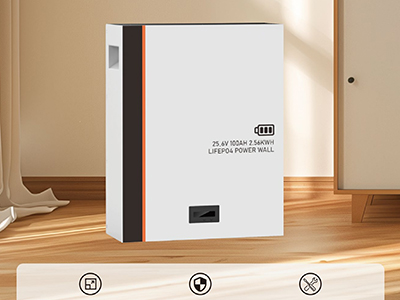
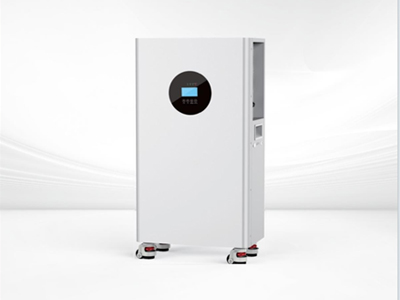
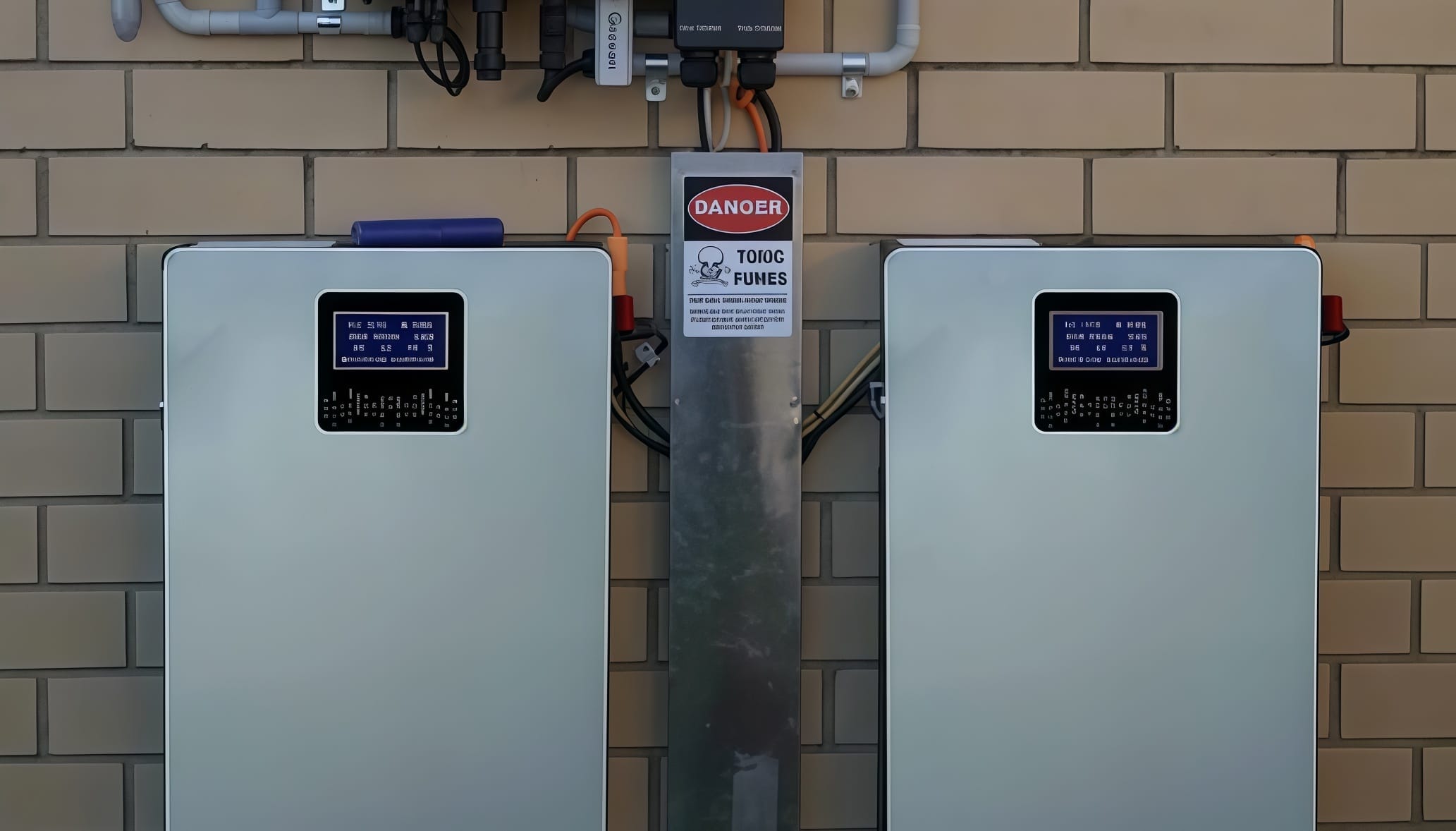
Energy storage: 5–20kWh lithium iron phosphate battery, paired with bidirectional PCS (peak efficiency ≥98%), supporting seamless switching between grid-connected and off-grid modes.
Control: Equipped with EMS energy management, it integrates with peak and off-peak electricity pricing and automatically schedules based on electricity usage curves.
2、Core operational strategy
Self-consumption + excess power storage: During the day, photovoltaic power is preferentially used to supply household appliances, and the excess power is charged into batteries, avoiding wasted sunlight and increasing the self-consumption rate to over 80%.
Peak-valley arbitrage: During the low-demand period (such as 22:00–8:00 the next day), the power grid is charged, and during the high-demand period (8:00–22:00), the stored energy is discharged, reducing the purchase of high-priced electricity and lowering the annual electricity bill by 30%–50%.
Off-grid backup power: In the event of a power grid failure, it switches to off-grid power in milliseconds, ensuring power supply to critical loads such as lighting, refrigerators, and medical equipment.
Scenario-based energy conservation: In summer, prioritize using photovoltaic power to supply air conditioning, combined with roof insulation to reduce energy consumption; at night, use stored energy to supply water heaters and charge electric vehicles, shifting peak usage to reduce costs.
3、key implementation points
Compliant grid connection: Apply for grid connection to the power grid, install bidirectional metering devices, and comply with local net metering policies.
Equipment selection: Choose PCS with SiC/GaN devices for high conversion efficiency and low loss.
Operation and maintenance: BMS monitors the battery in real-time, cleans the photovoltaic panels regularly, and conducts energy efficiency assessments annually.
二、Energy-saving solutions for industrial/commercial scenarios
1、System configuration (adaptation of production capacity and load)
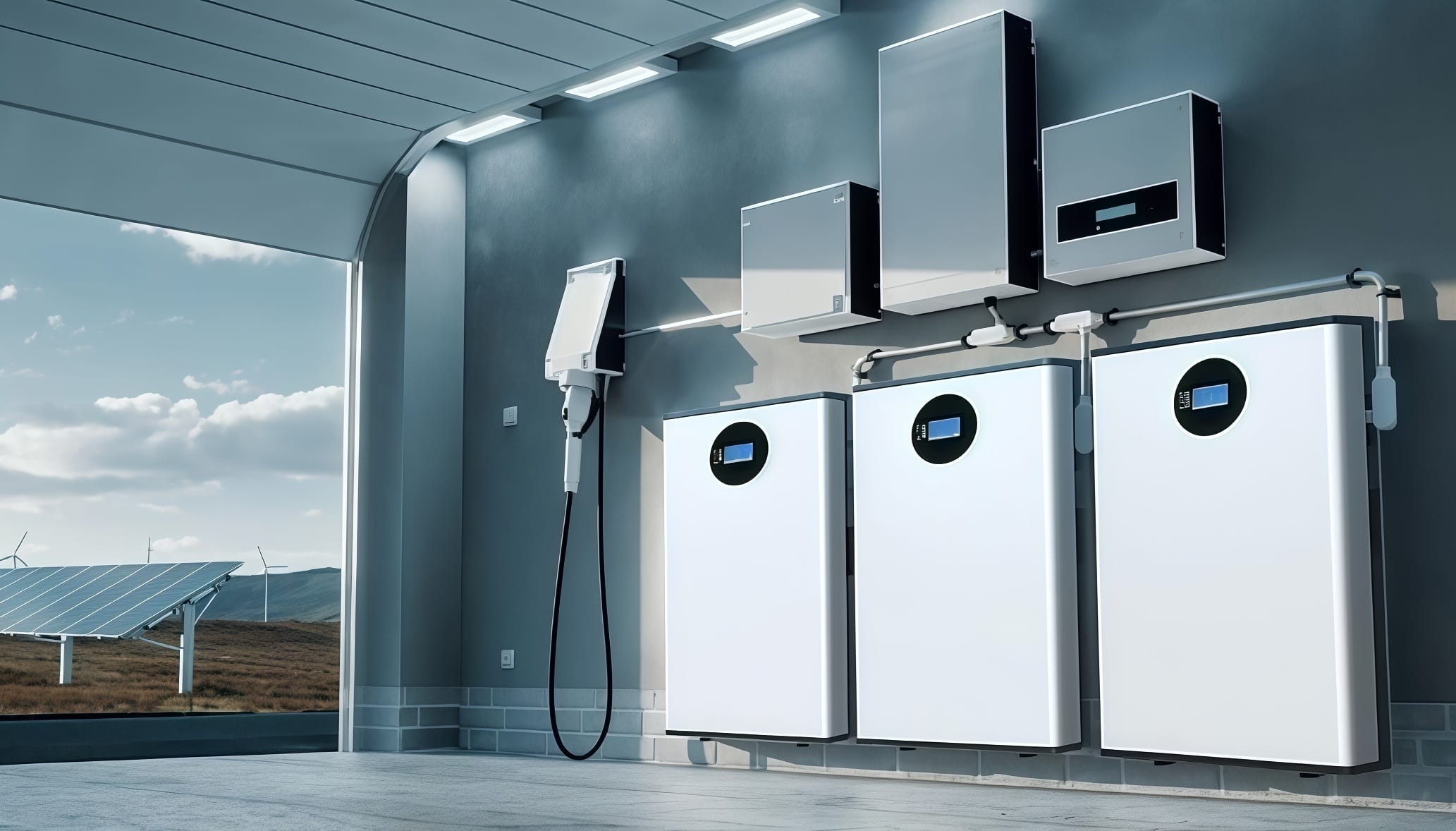
Photovoltaic: 5kW–1MW, string type, with a capacity-to-matching ratio of 1.2–1.3:1; choose string type for scenes with many obstructions, and centralized type for large-scale scenes without obstructions.
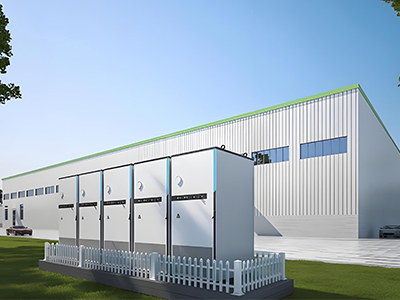
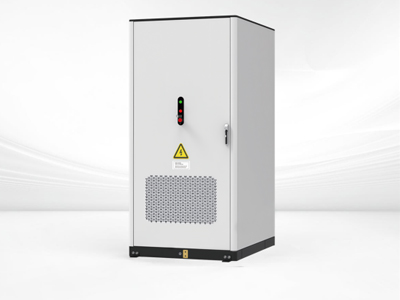
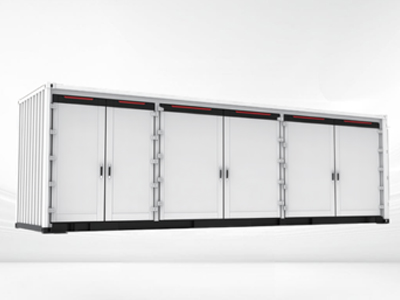
Energy storage: 10kWh–1000kWh, equipped with modular bidirectional PCS (N+1 redundancy), supporting smooth output and three-phase balance control.
Integration: Integrate with EMS, intelligent buildings, and photovoltaic-energy storage-charging integration to achieve full-chain optimization of energy.
2、Core operational strategy
Peak shaving + demand response: store electricity during off-peak periods and discharge during peak periods, reducing peak power and electricity purchasing costs, with annual comprehensive energy consumption reduced by 15%–30%.
Smooth photovoltaic output: By suppressing fluctuations through PCS, we can avoid grid impacts, increase self-consumption to over 70%, and reduce the loss due to curtailed solar power generation.
Key load assurance: Seamless switching between grid-connected and off-grid modes (≤10ms), ensuring uninterrupted operation of core loads such as production lines and data centers.
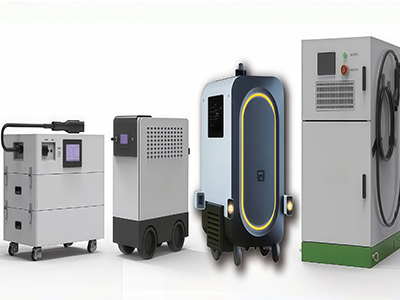
Photovoltaic + Energy Storage + Charging Synergy: Photovoltaic power generation and energy storage supply power to charging stations, reduce peak load in the park, and enhance the consumption of green electricity.
3、key implementation points
Capacity matching: Accurately calculate energy storage capacity based on load curves, peak and valley electricity prices, and reserve demand to avoid redundancy and waste.
Harmonic suppression: The PCS is equipped with an LC filter, ensuring a total harmonic distortion rate of ≤3%, thereby protecting precision equipment and prolonging its lifespan.
Operation and maintenance: Remote monitoring, predictive maintenance, regular calibration of MPPT and BMS, and improvement of system stability.
三、Key measures for general energy conservation
1、Equipment selection:Prioritize the PCS for SiC/GaN wide bandgap devices, with a peak efficiency of ≥98.5%, small size, and low loss.2 、MPPT optimization:In low-light and shaded scenarios, a high-precision MPPT algorithm is employed to enhance power generation efficiency under such conditions.
3、Energy management:EMS integrates electricity pricing, weather, and load forecasting to automatically schedule charging and discharging, maximizing energy-saving benefits.
4、Load-side coordination:Industrial production is staggered to avoid peak hours and high-energy-consumption equipment is replaced; at the household level, smart home appliances are used in conjunction to prioritize the consumption of green electricity.
5、Compliance and Security:Comply with grid connection standards, fire safety, and electrical safety regulations, and regularly inspect insulation and battery health.
四、Effect and return on investment
1、Household: annual electricity cost reduction of 30%–50%, self-consumption rate ≥80%, investment recovery period of 3–6 years.
2、Industry: The annual comprehensive energy consumption is reduced by 15%–30%. The peak-valley arbitrage and standby power supply yield significant benefits, with a payback period of 4–7 years.
Conclusion
The core of energy conservation in both household and industrial settings revolves around bidirectional PCS as the hub. By leveraging self-generation and self-consumption, peak shaving and valley filling, as well as grid-connected and off-grid coordination, combined with equipment selection and intelligent scheduling, we aim to maximize the consumption of green electricity, reduce electricity costs, and enhance power supply reliability.
TAG: Photovoltaic energy storage inverter | Photovoltaic energy storage device | Photovoltaic power generation and energy storage equipment | Energy storage battery | Wall-mounted energy storage battery |
-

How does a rack-mounted battery work? Quickly understand its working principle!
2026-3-13 -
By knowing these, you can better use floor-standing lithium batteries!
2026-3-13 -
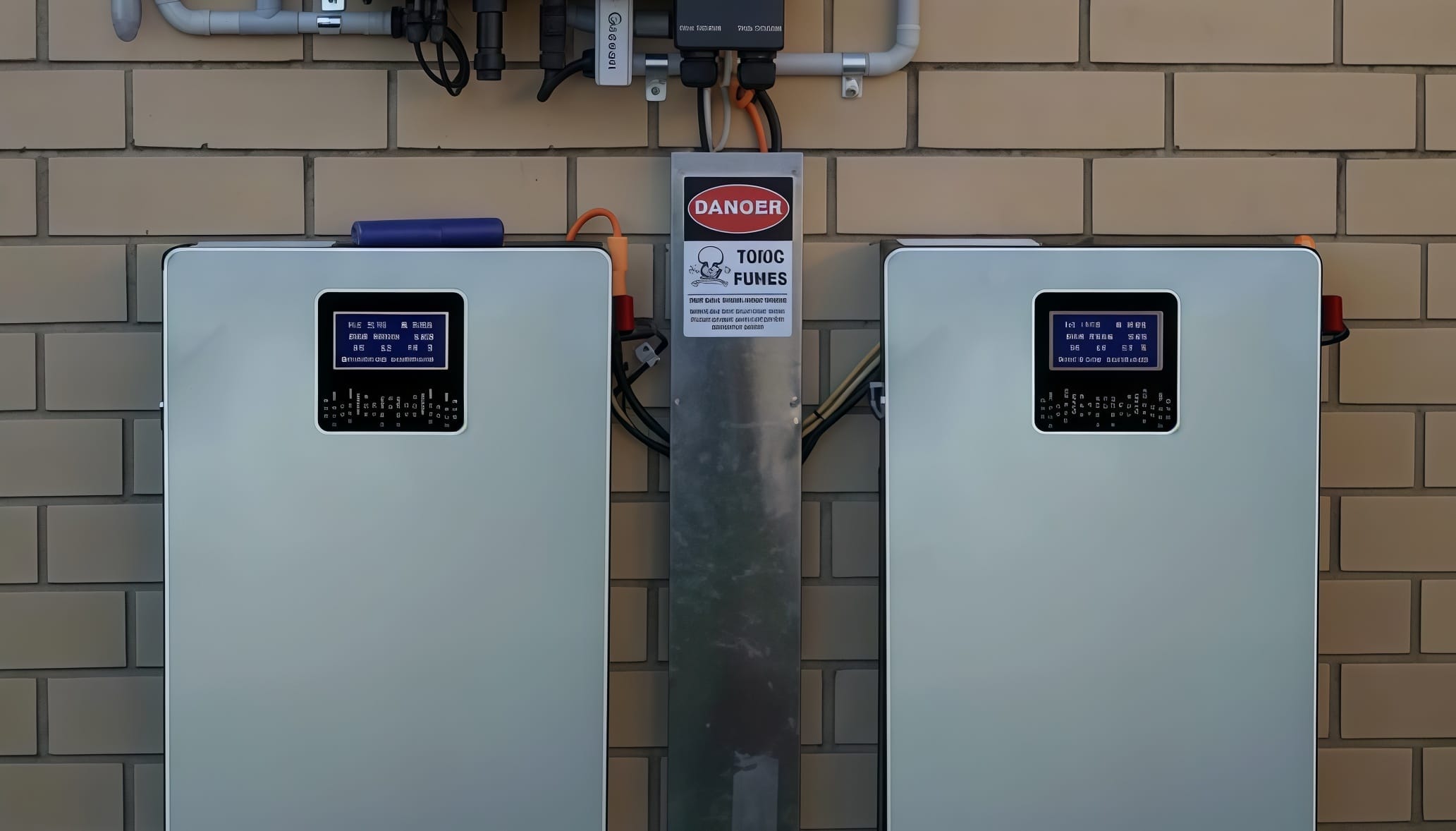
Understand the working principle of wall-mounted lithium-ion batteries for energy storage.
2026-3-13 -
What role does grid-connected technology of energy storage inverters play in reducing power transmission losses?
2026-3-13 -

How can a single-phase energy storage inverter enhance the efficiency of a household energy storage system?
2026-3-13 -
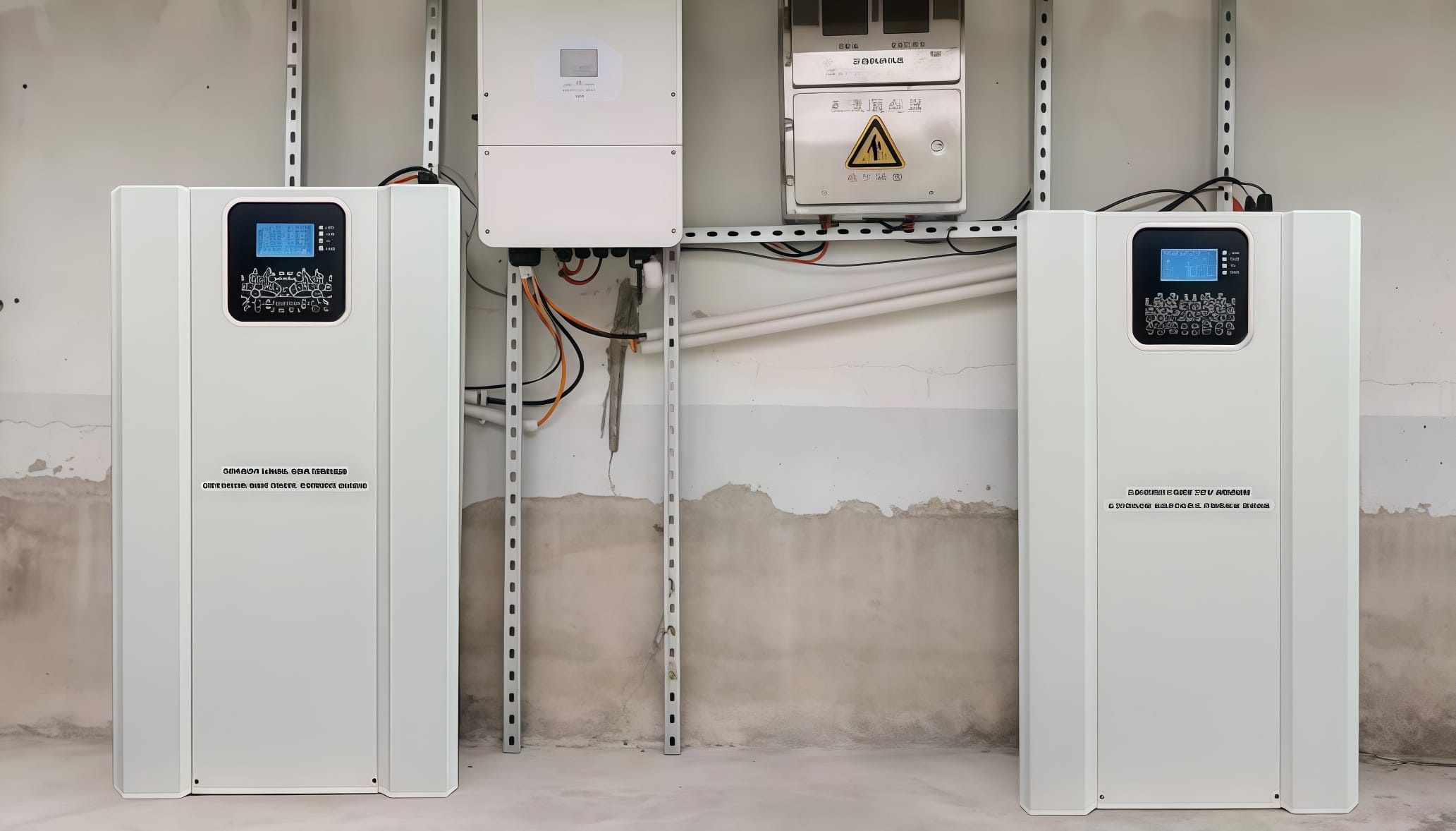
How can the efficiency of energy storage batteries be improved?
2026-3-13